Slovakian Maintenance Society: “Maintenance is no longer just fixing—It’s Data, AI, and Strategy”
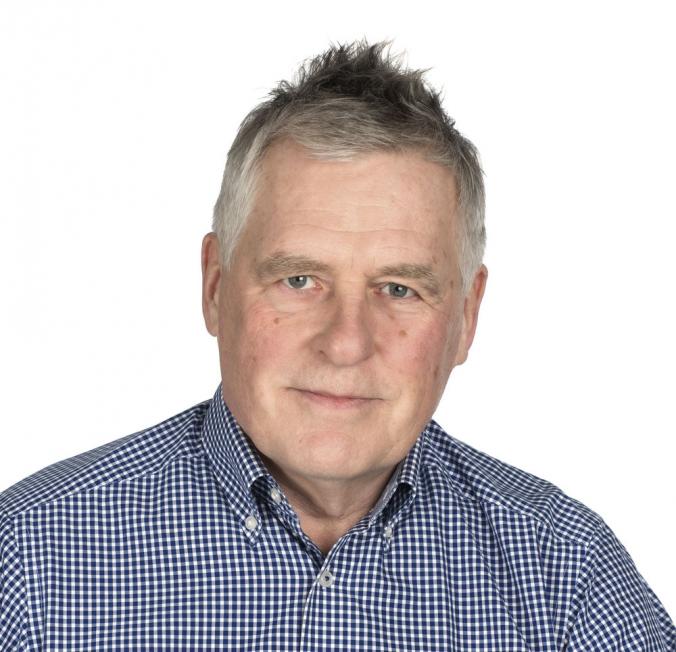
"Maintenance is no longer just fixing machines after they break—it’s about data, AI, and strategy," points out Branislav Kysel, President of the Slovakian Maintenance Society.
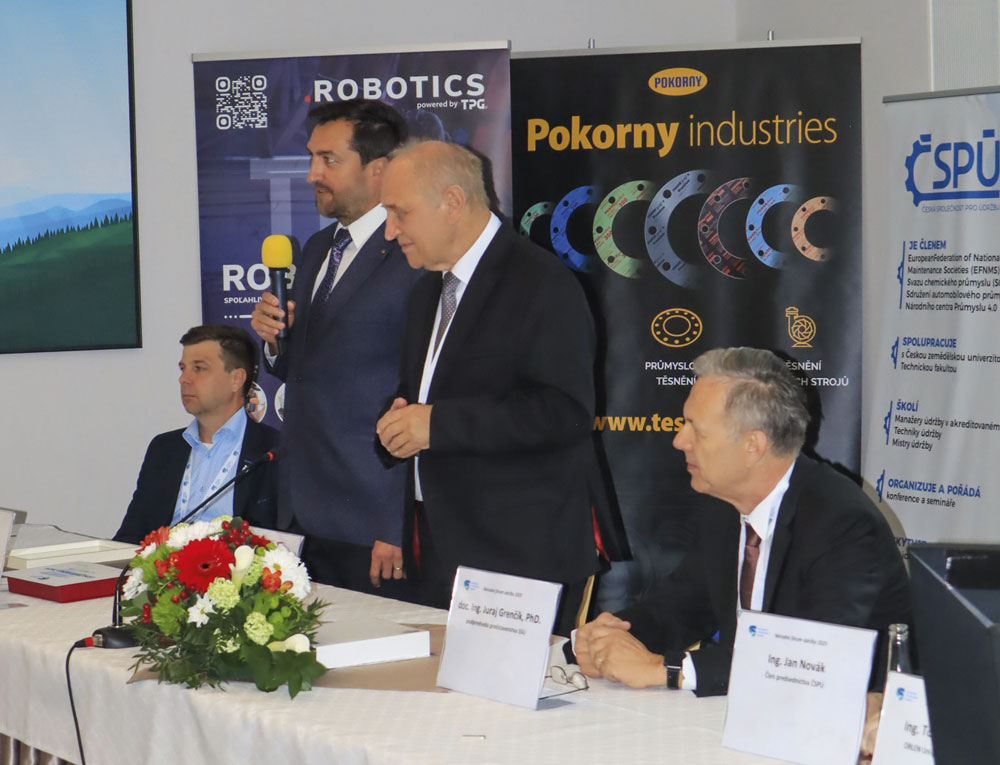
For over two decades, SSU (Slovenská spoločnosť údržby) has been quietly transforming the maintenance landscape in Slovakia, positioning it as a hub for professional excellence, innovation, and sustainability within Europe’s industrial heartland.
Founded in 1999 and officially registered in 2000, the SSU is an independent, non-profit association that brings together 59 members from companies, universities, research institutes, and individual experts. Its core mission is to ensure the sustainable development of the maintenance sector while raising the professional profile of maintenance specialists across Slovakia.
Slovakia’s industrial base has long been a cornerstone of its economy, with a particular strength in automotive, machinery, and chemical industries. Over the past decade, the maintenance sector has evolved alongside this industrial growth, transitioning from reactive, repair-focused work to a modern, technology-driven discipline.
“Our role has always been to professionalize and standardize the industry,” explains Kysel.
“We promote European maintenance standards, share best practices, and encourage the adoption of modern approaches like predictive maintenance, digitalization, and Asset Management 4.0.”
The society organizes the National Maintenance Forum, Slovakia’s premier maintenance conference, which in 2026 will host its 25th edition with international participation. Beyond conferences, SSU provides workshops, seminars, and specialized courses that address trends like AI-driven maintenance, big data analytics, and condition-based maintenance.
“These initiatives help professionals move away from time-based or reactive approaches toward smarter, data-informed strategies.”
Attracting young talent to maintenance remains a challenge. Despite Slovakia’s strong engineering tradition, maintenance is often seen as a traditional, behind-the-scenes profession. SSU has taken active steps to change that perception, emphasizing maintenance as a high-tech, strategic career.
“We partner with universities such as Žilina University, the Technical University in Košice, and the Slovak University of Technology in Bratislava to integrate maintenance into academic programs,” says Kysel.
“Through training, workshops, and awards for the best diploma theses or the Maintenance Manager of the Year, we show students the innovative and impactful side of our work.”
Lifelong learning is another cornerstone of SSU’s mission. Courses based on the EN 15 628 maintenance standard train technicians, engineers, and managers to stay at the forefront of industry knowledge. SSU also offers targeted consulting for specific sectors—including automotive, transportation, metallurgy, and chemicals—ensuring the workforce is prepared for Slovakia’s diverse industrial landscape, Kysel says.
Globally, maintenance is increasingly recognized as a driver of sustainability. By optimizing processes, extending asset lifespans, and reducing downtime, maintenance directly contributes to energy efficiency and waste reduction.
“Green practices are integral to what we do,” Kysel emphasizes.
“Improved maintenance leads to better resource management and aligns with climate and environmental goals. In industries like automotive, streamlined procedures and predictive maintenance help minimize material waste and maximize energy efficiency.”
Innovation is no longer optional in Slovakia’s industrial sector. Digital tools, IoT sensors, and predictive maintenance are transforming traditional workflows. By analyzing big data and deploying AI, maintenance professionals can intervene precisely when needed, reducing downtime and operational costs.
“Predictive maintenance has grown steadily since the 1960s, but in the last twenty years, implementation and availability have skyrocketed,” Kysel notes.
“Today, maintenance integrates automated measures using AI agents, moving the industry from reactive repairs to proactive reliability management.”
Slovakia is also aligning with global trends through national strategies like the Concept of Smart Industry for Slovakia and EU-funded projects. SSU plans to participate in an Interreg Danube Region project using AI in maintenance, demonstrating the country’s commitment to digitalization and innovation.
SSU serves as Slovakia’s official representative in the European Federation of National Maintenance Societies (EFNMS). Members actively participate in committees, including Health, Safety, and Environment (EHSEC) and Maintenance Assessment (EMAC), ensuring Slovak practices align with European best practices.
“Our connection to EFNMS allows us to implement international standards in Slovakia and Eastern Europe,” says the head of SSU.
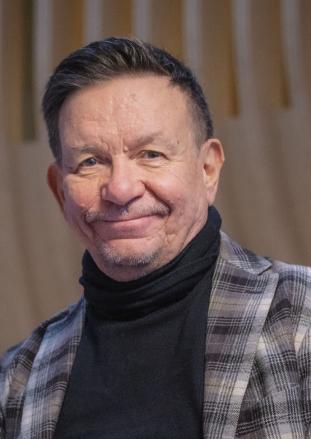
“Juraj Grenčík was recently elected EFNMS Board Secretary, which strengthens our influence and knowledge-sharing capacity across Europe.”
Juraj Grenčík is an Associate Professor at the University of Žilina (UNIZA) in Slovakia, specializing in rail vehicle maintenance, operation, and technology, with extensive experience in developing maintenance systems, active roles in the Slovak and European Maintenance Societies (SSU/EFNMS), and recognized contributions to maintenance science. Grenčík holds a PhD in the field and is known especially for his work on environmental aspects like noise/vibration in rail transport.
Kysel adds that through conferences, LinkedIn updates, newsletters, and workshops, SSU ensures that its members remain informed about the latest international standards, KPIs, and methodologies, fostering a highly connected, knowledge-driven maintenance community.
SSU envisions a future in which maintenance is recognized as a strategic driver of industrial competitiveness. By integrating digitalization, AI, and international standards, the society aims to transform Slovakia’s maintenance sector into a linchpin for productivity, quality, and sustainability.
“Effective maintenance ensures the reliability of high-value assets and complex production lines, particularly in automotive,” Kysel emphasizes.
“It directly impacts productivity, quality, and sustainability—critical factors for Slovakia’s competitive position within the EU.”
Branislav Kysel also highlights Slovakia’s strengths: a skilled workforce, a strong industrial heritage, a strategic location in the heart of Europe, and a commitment to innovation. For SSU, the ultimate reward lies in helping members share knowledge, implement best practices, and advance the profession.
“Maintenance has been my passion since university, when I started with technical diagnostics and vibrodiagnostics, ” shares Kysel.
“The most rewarding part is seeing others learn from our work, applying best practices, and pushing the industry forward.”
For maintenance professionals, the SSU represents more than a professional association—it is a knowledge hub, innovation driver, and advocate for professional excellence.
“As Slovakia continues to modernize its industry, our society’s influence ensures that maintenance is not just a function but a strategic advantage.”
About SSU
Founded in 1999, the Slovakian Maintenance Society (SSU) is a non-profit association dedicated to advancing maintenance as a profession. Its initiatives include professional education, promotion of European standards, organizing the National Maintenance Forum, and connecting Slovak professionals with international best practices.
Photos: SSU
Text: NINA GARLO-MELKAS