Euromaintenance 2026 sets its sights on the future
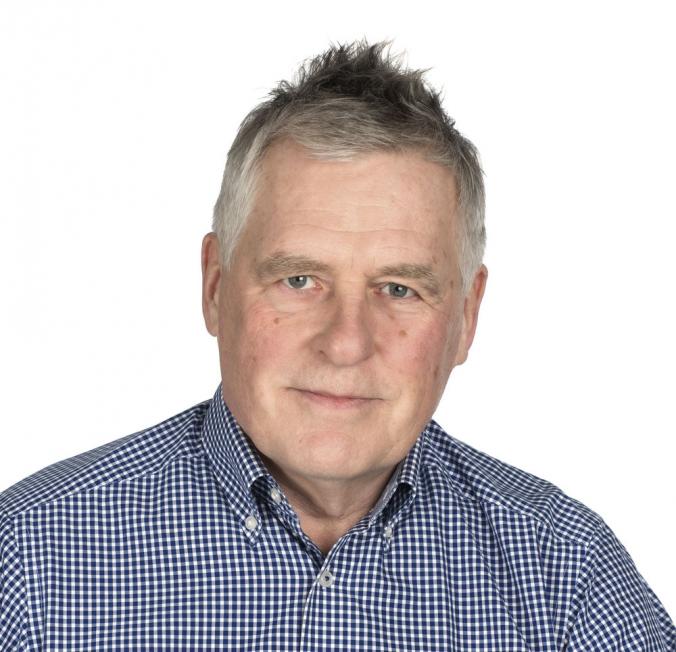
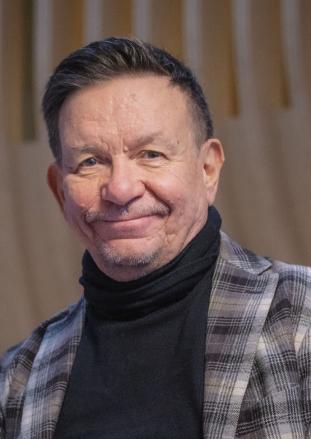
When Euromaintenance comes to Luleå in June 2026, it will not only mark a new geographic destination for Europe’s flagship maintenance conference but also signal a decisive moment for the profession itself. According to EFNMS Chair Diego Galar, this event is designed to reposition maintenance and asset management as strategic drivers of industrial performance, resilience, and sustainability.
“This is not intended to be just another conference. It is designed to be a strategic moment for the profession, where maintenance is discussed not as a support activity, but as a core driver of industrial performance, resilience, and sustainability.”
Across Europe, asset intensive organisations are facing mounting pressure from ageing infrastructure, energy transition, digitalisation, skills shortages, and stricter safety and environmental requirements. Maintenance and asset management sit at the centre of these challenges yet are still too often treated as secondary functions. According to Galar, Euromaintenance 2026 aims to change that narrative by grounding discussions in real cases and expert dialogue that demonstrates how maintenance enables value creation at the highest organisational level.
“I want participants to leave Luleå with a shift in perspective,” he says. “Maintenance today is about making informed decisions across the asset lifecycle, combining engineering expertise with data and digital tools, and aligning technical actions with business and societal objectives.”
The choice of Luleå as host city is central to that message. Northern Sweden is currently undergoing one of Europe’s most ambitious industrial transformations, with major investments in fossil free steel, advanced mining, electrification, renewable energy systems, and data centres. These are not experimental projects, but full-scale industrial systems operating under real constraints.
“What makes Luleå particularly relevant is that these industries operate in demanding Arctic conditions,” Galar explains. “Reliability, robustness, and intelligent maintenance are difficult to achieve. Assets must perform under extreme temperatures, long lifecycles, remote locations, and strict safety and sustainability requirements. This creates a very authentic link to the core themes of Euromaintenance.”
Beyond the industrial context, the setting itself is intended to support dialogue. The compact city layout, the central venue Kulturens Hus, and the Arctic summer light are expected to encourage interaction and networking. “Luleå is not just a host city,” Galar says. “It is part of the message of Euromaintenance 2026.”
Galar’s involvement in the event is shaped by his dual role as Chairman of EFNMS and Professor of Condition Monitoring at Luleå University of Technology, where the conference is being organised by the Division of Operation and Maintenance Engineering. From the EFNMS perspective, his focus is on strategic coherence and long-term relevance. From the academic side, the ambition is to ensure a strong balance between scientific depth and industrial reality.
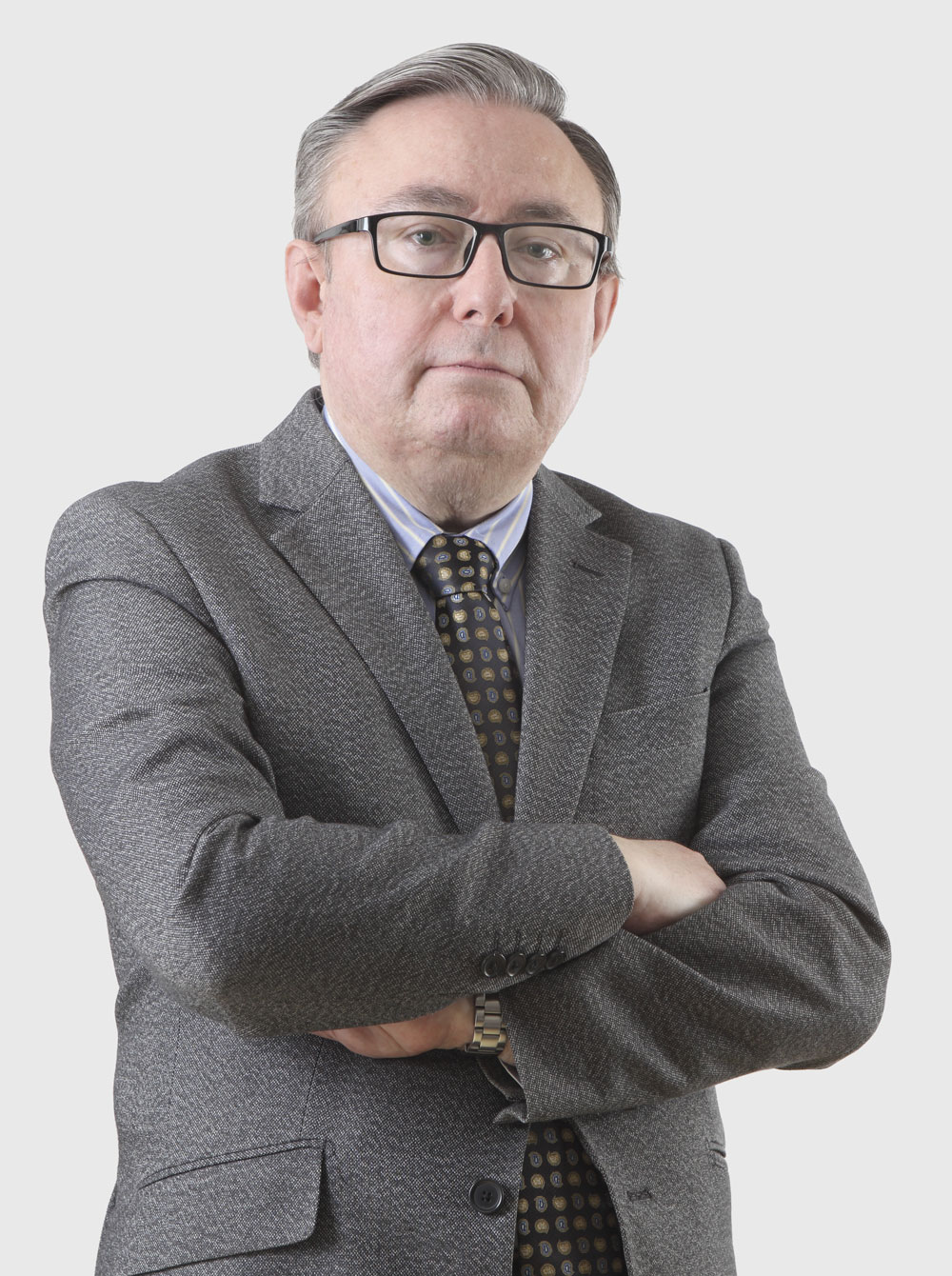
For Diego Galar, Chair of the European Federation of National Maintenance Societies (EFNMS), Euromaintenance 2026 is meant to be more than a technically solid conference.
“Euromaintenance must remain a reference event,” he says. “Not driven by hype or commercial interests, but by substance, experience, and long-term thinking.”
The organisational structure behind EM26 reflects that ambition. At national level, Svenskt Underhåll provides the Swedish anchoring and industrial connection, while EFNMS ensures European governance and continuity. The academic backbone is delivered by Luleå University of Technology, with Professors Ramin Karim and Uday Kumar providing leadership of the scientific programme and overall continuity respectively.
Industry, Galar emphasises, is not treated as a passive audience.
“Industrial leaders are shaping the programme through real case studies, keynote contributions, and honest discussions about what works and what does not. The exhibition and industry participation are curated to support dialogue rather than commercial noise.”
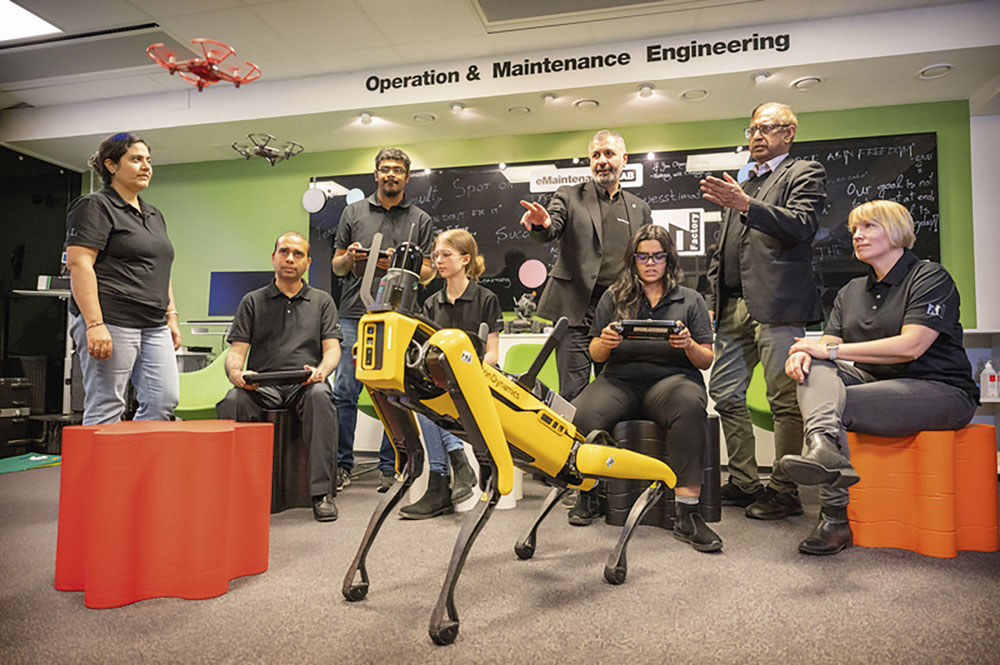
One of the defining characteristics of Euromaintenance 2026 is its deliberate effort to bring practitioners, researchers, and decision makers into the same conversation. Instead of separating audiences, the programme is built around shared challenges such as lifecycle decision making, risk management, sustainability, and digital transformation.
“In real organisations, these roles are deeply interconnected,” Galar notes. “Progress only happens when they are part of the same dialogue.”
This integrated thinking is also reflected in the conference themes. Asset management provides a strategic framework. Reliability and condition monitoring form the technical backbone. Industrial AI is treated as an enabler rather than a goal. Sustainability frames all decisions as a boundary condition rather than a slogan.
“Industrial AI will be discussed through concrete applications,” Galar explains. “Asset health monitoring, predictive maintenance, decision support, and risk-based prioritisation. Not as black boxes, but as tools that must be combined with engineering knowledge and human judgement.”
Equally important are the lessons from less successful implementations. EM26 is designed to encourage openness about limitations, organisational barriers, and failures. “Moving beyond hype is essential if AI and digitalisation are to deliver real value,” he says.
Sustainability, meanwhile, is addressed through practical maintenance driven actions. Extending asset life, reducing energy waste, preventing failures, and improving reliability are presented as some of the most effective sustainability measures available to industry. “Sustainability happens through decisions about assets,” Galar says. “Maintenance is one of the most powerful levers organisations have.”
For first-time attendees, Euromaintenance often feels different from other events in the field. It is neither a vendor driven trade fair nor a purely academic symposium.
“Euromaintenance is a European forum built on trust,” Galar says. “It is shaped by professional societies, not commercial agendas, and that creates open, honest discussions focused on learning.”
Looking beyond June 2026, Galar hopes the event will be remembered as a turning point. A moment when the European maintenance community gained clarity about its role and confidence in its voice.
“If EM26 helps move maintenance closer to strategic decision making, strengthens European collaboration, and inspires the next generation of professionals, then its impact will extend far beyond the conference itself,” he says. “The real success will be measured in how maintenance and asset management are valued and practiced across Europe in the years that follow.”
Text: Mia Heiskanen Photos: AdobeStock, Justin Jägare