Right from the beginning Building Maintenance into Scania’s Battery Factory
When Scania decided to build its new battery factory, and Kent-Olof Bingmark decided from the start to place value in a clear maintenance strategy. Through cross-functional strategy meetings with discussions about maintenance philosophy and recruitment interviews. His approach is simple in words but demanding in practice: getting things right from the beginning.
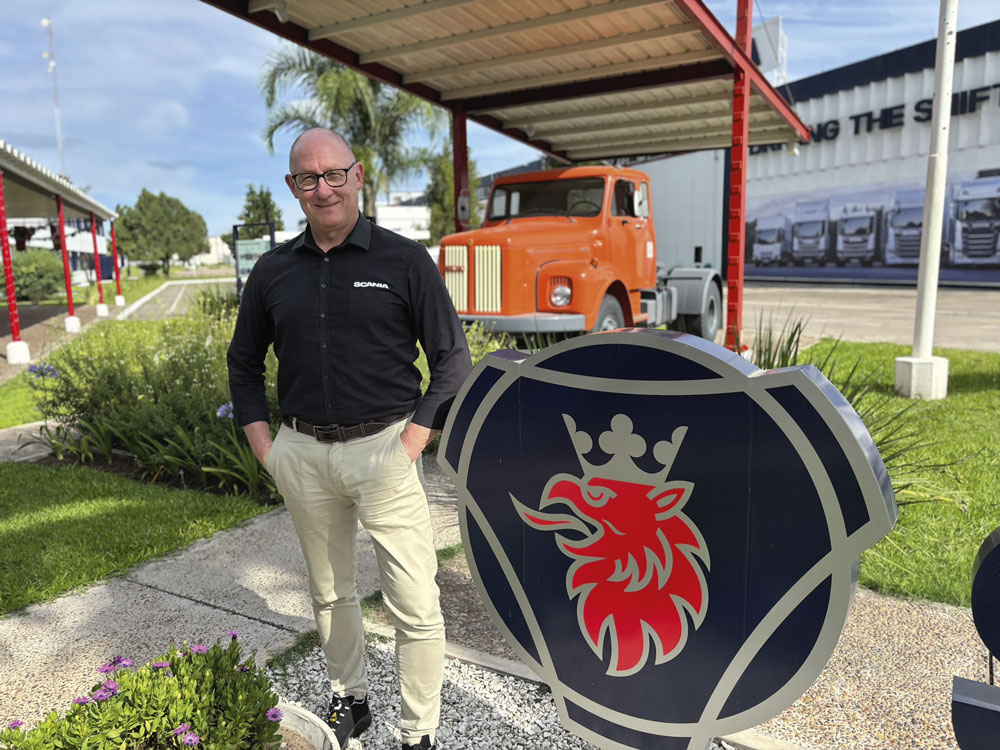
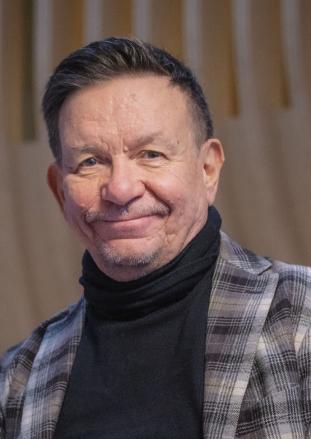
Kent-Olof Bingmark has worked at Scania since the age of 16.
Kent-Olof Bingmark’s career at Scania spans more than four decades. He started at the age of 16 in the company’s own school and grew through roles in maintenance, coordination and management across several Swedish plants. Today he belongs to Scania Industrial Maintenance, a 1 200-person organization responsible for ensuring reliability across Swedish production sites.
His professional journey has shaped a clear conviction: maintenance is not a support function. It is a strategic capability.
For the past 1.5 years, his mission has focused on securing maintenance competence across Scania plants. The task has three pillars: attracting new talent, developing internal skills and, in the future, transferring knowledge from retiring experts. At the centre there is a new ambition: to build structured internal training instead of relying only on external courses.
“We know almost everything somewhere in the company”, he says. “The challenge is to organize that knowledge and make it accessible.”
Recognition Beyond a Project: Bingmark’s nomination for the European Maintenance Manager Award (EMMA) 2026 reflects more than one successful project.
He previously received a Swedish maintenance award for his work in establishing the maintenance organization for Scania’s new battery factory. For him, awards are not personal victories but confirmation that the team has done something meaningful.
Three Critical Success Factors
Reflecting on the battery factory project, Bingmark highlights three decisive elements:
1. A clear maintenance strategy from day one.
Maintenance must be involved from the earliest investment decisions. Strategy determines lifecycle cost, reliability and required competence.
2. Competence and ownership across functions.
Maintenance excellence depends on clear responsibility between production and maintenance.
3. Open communication and cultural trust.
Teams must talk with each other, not about each other. Mistakes should be discussed openly and solved together.
“Nothing is done alone and it’s recognition that we are on the right path”, he says.
A Blank Sheet: When Scania strengthened its commitment to “driving the shift toward a sustainable transport system,” electrification became a central strategic focus, and battery production a cornerstone of that transition. A key step was the establishment of Scania’s new battery assembly plant in Södertälje, Sweden, where battery packs for electric trucks are assembled.
Bingmark was asked to build the maintenance organization from scratch.
He started alone. No defined machinery. No detailed layout. No maintenance team. Just a laptop and a mandate.
“It was a blank sheet. Before any machines were installed, I focused on defining the maintenance strategy.”
That early decision shaped everything that followed: recruitment profiles, competence requirements, spare parts planning and collaboration models with production.
Handshake Strategy: Maintenance and Production Together – One of the most decisive moves was establishing a common maintenance strategy shared by maintenance, production and logistics.
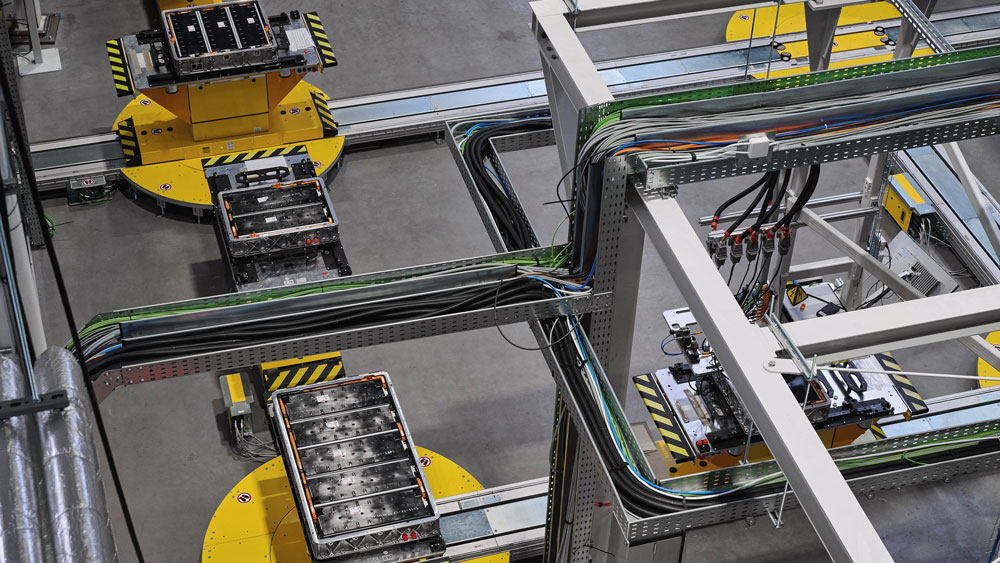
The chosen strategic plan includes working preventively through condition-based maintenance and connected machines. Another part of the strategy is to choose the timing for recurring preventive maintenance together with production. Instead of carrying out maintenance outside regular production hours and isolating maintenance work to evenings, nights, and weekends, the battery factory adopted a model with a higher maturity level. The factory introduced what Bingmark calls "planned stop maintenance."
“Production is deliberately paused at agreed times, so that operators and maintenance technicians work together on the line, performing maintenance, cleaning, inspecting, adjusting, and learning from each other”, he explains. The result is ownership.
In Bingmark’s philosophy, the largest share of everyday machine care belongs to operators. Lubrication and early detection of deviations prevent failures before maintenance teams are needed. Maintenance becomes a partner.
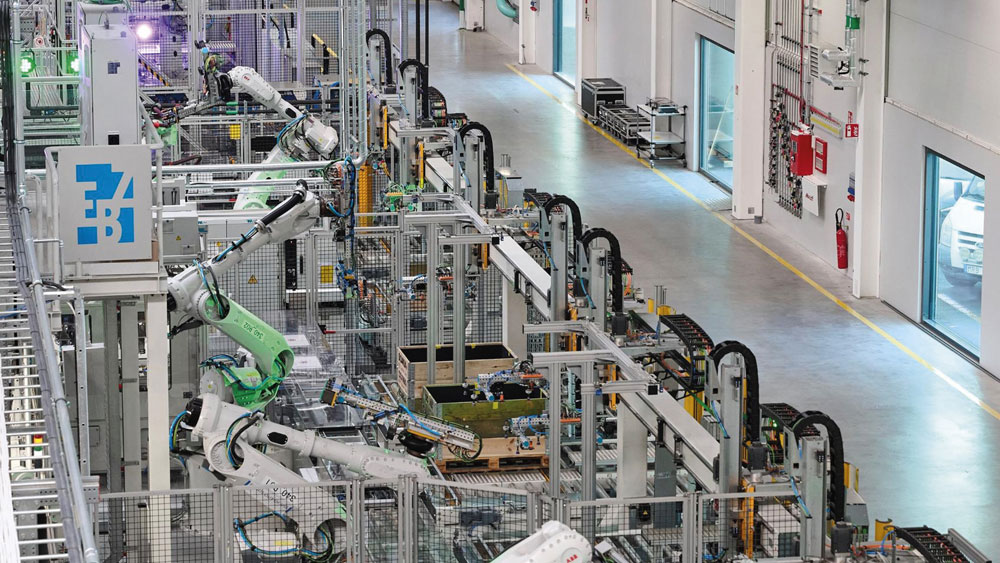
Learning Before Installation: Battery production differs significantly from traditional heavy vehicle manufacturing. Automation levels are high, processes are sensitive and safety requirements are strict.
Five Lessons for Maintenance Leaders
1. Involve maintenance at the investment stage.
Strategy defined early saves years of correction later.
2. Define a shared maintenance philosophy.
Operators are part of maintenance. Build ownership.
3. Invest in competence before start-up.
Training during equipment build phases accelerates ramp-up.
4. Use data, but build culture first.
Connected machines are powerful only when people act on the signals.
5. Stay close to your team.
Leadership is not distance. It is dialogue.
Before the equipment was shipped to Sweden, Bingmark and his team travelled to Germany, where the lines were pre-assembled. They learned directly from suppliers, tested systems and built competence before start-up.
Standing next to the first assembled line, he remembers thinking: How will we ever manage to ensure competence for all this?
The answer was structured recruitment and careful delegation. Hundreds of interviews later, he had built a team, selected not only for technical skills but for attitude.
“I wanted to see that all recruited people wanted to be part of what we were about to create,” he says.
Leadership Close to the Floor Bingmark describes his leadership style as close and democratic. He believes presence matters and dialogue even more.
His most important lesson over 42 years is to look beyond behaviour. If someone underperforms, the visible behaviour is only the surface. The real cause may lie in unclear processes, lack of competence or organizational barriers.
“Don’t judge a person too quickly,” he says. “Understand what is behind.”
During the battery factory project, this mindset was essential. The scale and complexity could easily have become overwhelming. Instead, he chose to build step by step, prioritizing what had to be done first and delegating responsibility as the organization matured.
“You cannot do everything yourself. You must trust others and let them grow into their roles.”
For Bingmark, leadership is indeed not about controlling every detail. It is about creating structure, setting directions and building a culture where people dare to speak openly, admit mistakes and solve problems together. That culture, he believes, is as important as any technology installed on the shop floor.
Kent-Olof Bingmark
Kent-Olof Bingmark has worked at Scania since the age of 16, for more than 40 years, and began his career as a maintenance technician. Over the decades, he has held roles ranging from coordinator to senior maintenance manager across multiple Swedish production sites.
He played a central role in establishing the maintenance organization for Scania’s new battery factory and is currently responsible for securing long-term maintenance competence across Scania’s Swedish operations. His leadership philosophy combines early strategic involvement, strong cross-functional collaboration and a belief in clear ownership between production and maintenance.
He is a nominee for the European Maintenance Manager Award (EMMA) 2026.
Text: Mia Heiskanen Photos: Scania media bank