Championing Competence
Introducing the EFNMS European Certification Committee (ECC) and its mission to elevate maintenance professionalism across Europe.
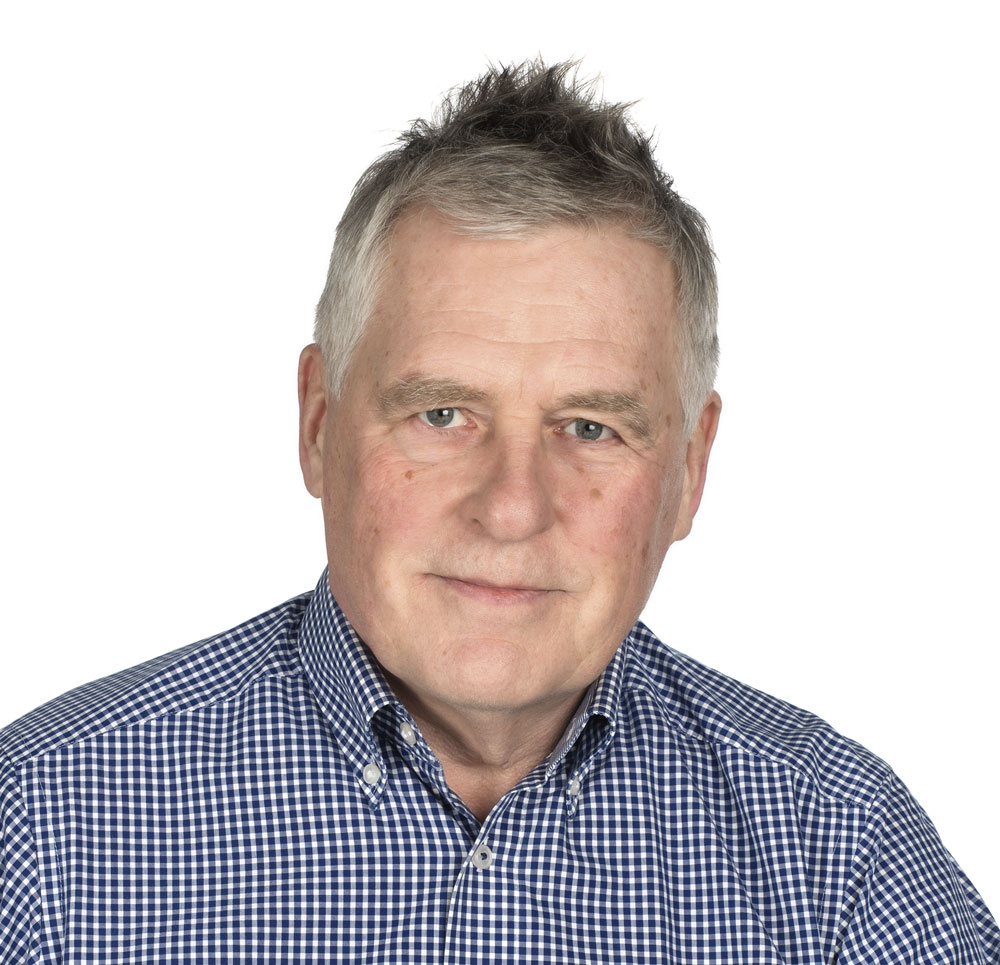
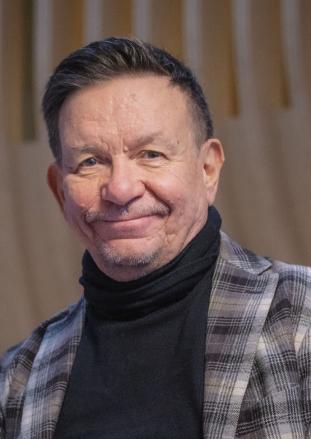
Ilkka Palsola
Ilkka Palsola, Chairman of the EFNMS European Certification Committee (ECC), brings decades of experience in maintenance and a unique perspective shaped by his electrical automation background. Having led the Finnish Maintenance Society, Promaint, for 18 years, Palsola’s career has spanned both technical and organizational leadership roles. Reflecting on his journey, Palsola notes, “I have been involved for a long time. My background is in electrical automation, which is a bit unusual in a field traditionally dominated by mechanical maintenance.”
The ECC operates as a volunteer-driven group within the European Federation of National Maintenance Societies (EFNMS), tasked with certifying maintenance professionals according to the EN 15628 standard. “Our mission is to validate competence in maintenance and asset management across Europe, especially in countries where maintenance is not part of formal education,” Palsola explains. He emphasizes that certification provides a means for professionals to demonstrate expertise in a field that often lacks official recognition.
One of the committee’s most significant achievements has been the digitalization of the certification process. “The biggest accomplishment in recent years has been moving the certification process from paper to a digital platform,” Palsola says. This transformation was made possible by an EU-funded project involving six countries: “It required us to completely renew our question bank, structure, and materials. Now, the exam is fully computerized, with both multiple-choice and open questions selected at random for each candidate.”
Spreading certification across Europe remains a challenge. “The biggest challenge is expanding certification to new countries,” Palsola admits. “Launching the process requires significant resources and commitment from national organizations. In the Nordic countries, where there are no formal degrees in maintenance, certification fills a gap. In contrast, in German-speaking countries, maintenance is already part of the official education system, so the need for certification is less.”
Originally, the ECC’s philosophy was to validate existing knowledge and experience without preparatory training. “The idea was that if you have the knowledge, you can prove it against the standards without mandatory training,” Palsola says. “However, in practice, many countries have developed preparatory courses linked to the exam, which blurs the line between certification and training. New countries often expect training first, then the exam, which complicates expansion.”
Looking ahead, Palsola sees the coming years as decisive. “I believe the future of certification will be determined in the next two to three years: either it will strengthen or it will wither away,” he concludes. The committee aims to maintain its annual volume of 80–100 certificates and add one or two new countries but faces competition from other asset management certifications and the ongoing need for local engagement. “If there is no real demand or active participation, we may have to try different approaches or focus our resources elsewhere,” Palsola remarks.
Palsola’s message to the maintenance community is clear: “The ECC provides support and structure, but only national organizations can drive meaningful adoption. As the sector evolves, we remain dedicated to promoting competence, quality, and recognition for maintenance professionals across Europe.”
Text: Mia Heiskanen Photo: Ilkka Palsola
What is the main objective of your EFNMS committee for 2026? And what is EFNMS’s overall goal?