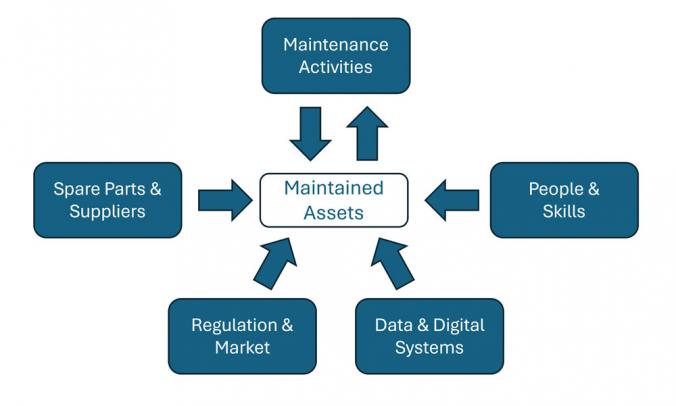

Soil Microbes and Forest Industry Side Streams: The Hidden Maintenance System for Global Food Security
Soil microbes and forest industry side streams may hold the key to global food security. Acting like nature’s maintenance crew, they restore degraded soils, boost fertility, and keep agriculture running smoothly but effectively.
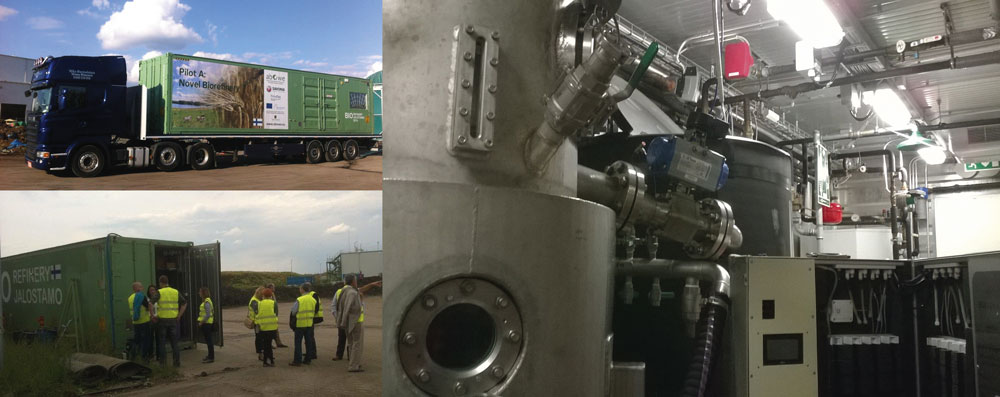
Baltic Sea Project 2012-2014.
The United Nations Educational, Scientific and Cultural Organization (UNESCO) and the Food and Agriculture Organization (FAO) warn that, without major changes, most of the world’s arable land could lose its productivity by 2050. This decline won’t be sudden—it results from gradual erosion, climate stress, falling soil fertility, and overuse of chemicals. According to the Intergovernmental Technical Panel on Soils (ITPS), in every 5 seconds, an area of soil equivalent to one soccer pitch erodes globally.
From an industrial perspective, this is strikingly familiar. Soil is a critical production asset, and its deterioration resembles machinery failure caused by years of deferred maintenance. Traditional fertilization often works like reactive maintenance: it restores short-term output but does little to repair structural fatigue or maintain long-term resilience.
“Soil failure is rarely sudden. Like industrial breakdowns, it is the result of years of unaddressed stress”, explains Adjunct Professor Elias Hakalehto, a microbiologist and biotechnology expert, who explores the potential of microbes in industrial applications.
Microbes: The Soil’s Autonomous Maintenance Crew. At the heart of soil resilience are its microbial communities. Bacteria, fungi, and other microorganisms form a living network that “keeps up nutrient circulation and utility for plants, as well as modulates water and mineral balances, mitigating the adverse effects of erosion, climate stress, over-chemicalization, etc.”
These microbes operate continuously, acting as self-regulating maintenance crews. They sense imbalances, redistribute nutrients, break down complex molecules, and even form biofilms that reinforce soil structure. By “mattressing any adverse or recalcitrant effects,” microbes reduce inhibitory conditions, improve water retention, and stabilize soil gas exchange.
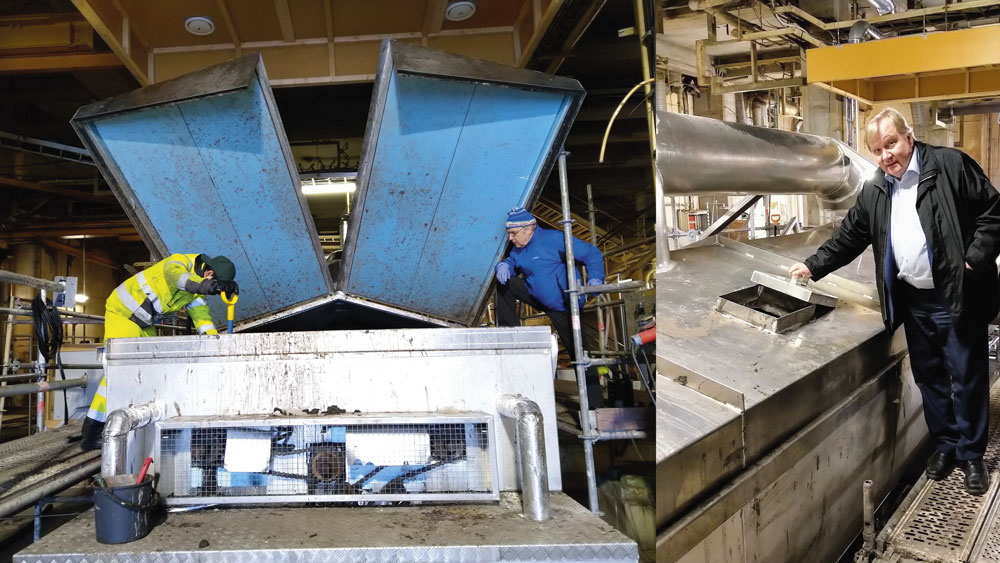
Tampere Zero Fibre 2018-2019.
“Once established, microbial communities act like self-regulating maintenance systems—constantly monitoring and correcting soil conditions”, Hakalehto says.
Microbial strains and their communities help improve soil health and increase crop yields. They play an important role in food production. These microorganisms support traditional farming methods and help keep soils healthy and productive over the long term. Supporting microbes with humic substances and processed biomass boosts their activity further. The result is long-lasting improvement, often lasting three to five years or more, without compromising soil quality.
Finland’s forest industry is uniquely positioned to step up and contribute to this form of ecosystem maintenance. It produces vast volumes of organic side streams—including zero fiber and other biomass fractions—that can be transformed into soil amendments.
“What industry calls waste can function as soil’s most effective service material.”
By combining biochemical knowledge with industrial processing, these side streams can support microbial activity in degraded soils, restore nutrient cycles, and improve soil structure. From a maintenance perspective, these inputs act like lubricants or corrosion inhibitors in industrial machinery—they protect the system, prevent degradation, and extend its functional lifespan.
Unlike conventional fertilizers that primarily deliver nutrients, microbe-activated amendments work in balance with natural processes, buffering climate effects, reducing leaching into waterways, and even recovering previously accumulated biomass from lakes, rivers, and sea bottoms for productive use.
Microbial Networks: Preventive Maintenance for Agriculture. Microbial strains form functional networks of nutrient immobilization and transfer, improving soil biological and biochemical potential while promoting plant growth.
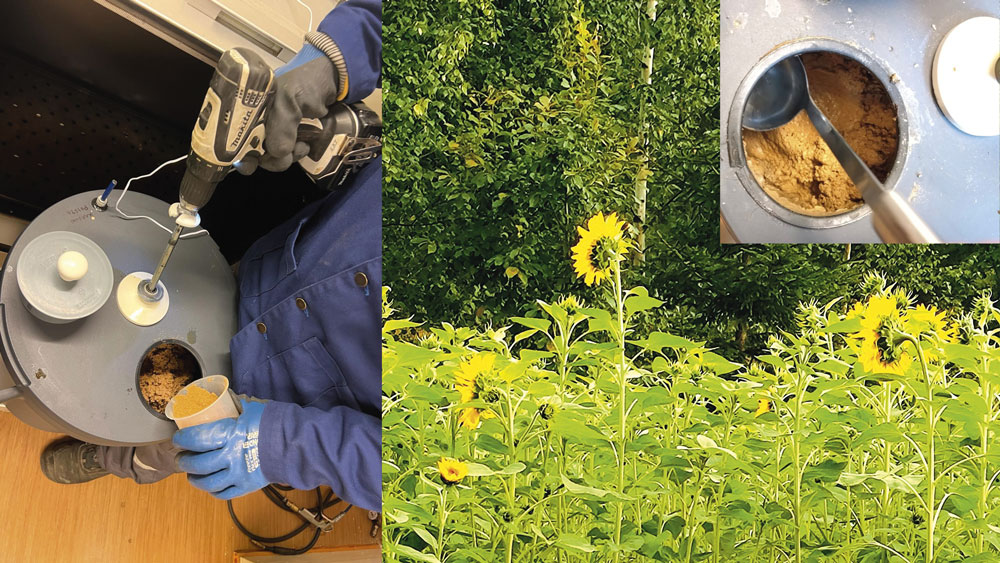
EU BioResque project 2023-2025.
They also generate short-distance physical and chemical forces that facilitate nutrient circulation, water distribution, and symbiotic relationships between each other and with plants.
“Fertilization boosts output. Maintenance preserves the system”, says Hakalehto.
By establishing these networks, microbes effectively reduce the risk of “unplanned downtime” in food production, similar to condition-based maintenance in industrial systems. Their effects are often more measurable collectively than individually, creating resilient soils, higher yields, and improved ecosystem balance.
“Healthy soils show the same signs as healthy machines: stability, predictability and resilience.”
Reviving Degraded Lands to restore soil health, boost biodiversity, and support sustainable agriculture. Even severely degraded or erosion-damaged soils can be restored using microbial and forest industry solutions, Hakalehto notes.
“Yes. In a big way. This could be extended to forest growth and ecology, too.”
Microbial activity, combined with processed side streams, helps rebuild soil structure, retain water, and restore nutrient availability. Over time, this approach can return previously unproductive land to reliable, long-term agricultural use, reducing the need for chemical inputs and lowering environmental stress.
Finnish experience provides compelling evidence. In the early 2000s, researchers of Finnoflag Oy studied industrial sludges from the Savon Sellu factory in Kuopio, converting them into chemicals, energy gases, and fertile soil. The EU Baltic Sea Region ABOWE project (2012–2014) expanded this work, piloting forest and food waste through mobile biorefineries in Finland, Poland, and Sweden.
Later projects, including Zero Waste from Zero Fibre (funded by the Finnish Ministry of Agriculture and Forestry and the City of Tampere in 2018–2019), produced food-grade biochemicals such as lactate and biomannitol while simultaneously improving soil resilience. Later on, in further trials by the Finnoflag team and Hakalehto, the production levels of the above-mentioned non-toxic chemicals for food and other industries, reached record levels of up to 14.7% and around 13%, respectively. The results were published in Vienna in the General Assemblies of the EGU (European Geosciences Union) between 2022–2025. Collaborations with Swedish and other foreign researchers have further demonstrated the industrial and ecological potential of microbial biorefineries, says Hakalehto.
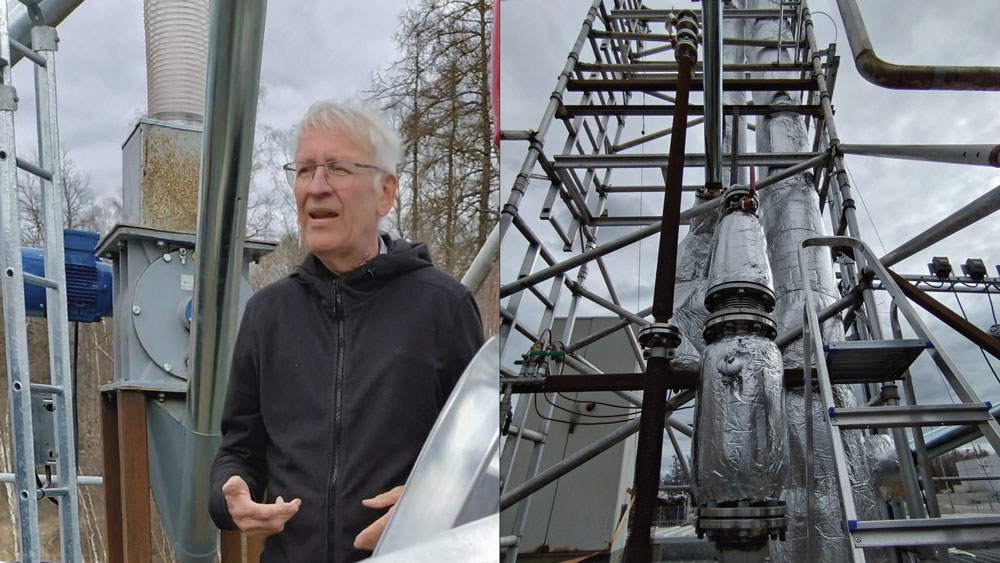
Mälardalen University (MDU) Biomass pilot plant 2025.
“These are not theoretical models—they are tested maintenance strategies for biological systems.”
Other initiatives, such as the EU BioResque project (2023–2025), examined soil amendment potentials of combined biomass fractions in Europe and North Africa, showing tangible improvements in soil microbiology, structure, and nutrient retention.
It plays a role in global food security. Globally, forest industries generate tens of thousands of tons of organic side streams annually, while millions of tons of biomass lie dormant in sediments. By transforming these resources into soil amendments, industries could simultaneously improve soil health, increase food production, and clean water ecosystems.
“The next frontier of maintenance lies beyond factories—in the living systems that sustain production itself.”
Examples have shown how combining microbial science with industrial expertise can create scalable solutions that strengthen both agriculture and forestry. In effect, forest industries can become ecosystem maintenance operators, not just product manufacturers.
Hakalehto stresses that the main barrier to scaling microbial, biomass-based soil solutions is not technological—it is strategic. Many industrial processes are still oriented toward single-product efficiency rather than multi-role, ecosystem-oriented operations.
Shifting industrial mindset to prioritize preventive maintenance of soil and ecosystems could deliver long-term benefits: resilient soils, sustained yields, healthier crops, and reduced environmental impact.
Hakalehto highlights that soil is more than a substrate—it is a complex production system that underpins global food security. Just like industrial machinery, it requires maintenance, monitoring, and strategic intervention.
Microbes serve as autonomous maintenance crews, while forest industry side streams provide the functional inputs to keep this system running.
Harnessing this combination could be one of the most effective strategies for preventing soil collapse, restoring degraded land, and ensuring food security for future generations.
Microbial Environmental Impact: Key Examples
• Wastewater Treatment: Microbes purify water and remove pollutants, returning cleaner water to the environment.
• Carbon Sequestration: Certain microbes capture CO₂, helping reduce greenhouse gas levels.
• Oil Spill Cleanup: Natural microbial communities break down hydrocarbons, as seen after the Deepwater Horizon spill.
• Bioremediation: Bacteria and fungi degrade toxins and industrial waste, transforming harmful substances into safer ones.
• Bioenergy Production: Microbes convert organic waste into biogas and biofuels, providing renewable energy.
• Agriculture: Nitrogen-fixing bacteria and microbial soil conditioners improve crop yields while reducing chemical fertilizer use.
• Industrial Applications: Microbial fermentation produces bio-based chemicals, plastics, and pharmaceuticals, lowering reliance on fossil fuels.
Read more about the role of microbes in Maintworld 1/2025 “The Microbial Revolution”
Text: NINA GARLO-MELKAS Photos: Elias Hakalehto, Finnoflag Oy